The Green Thing by the Window Is Not a Report Card
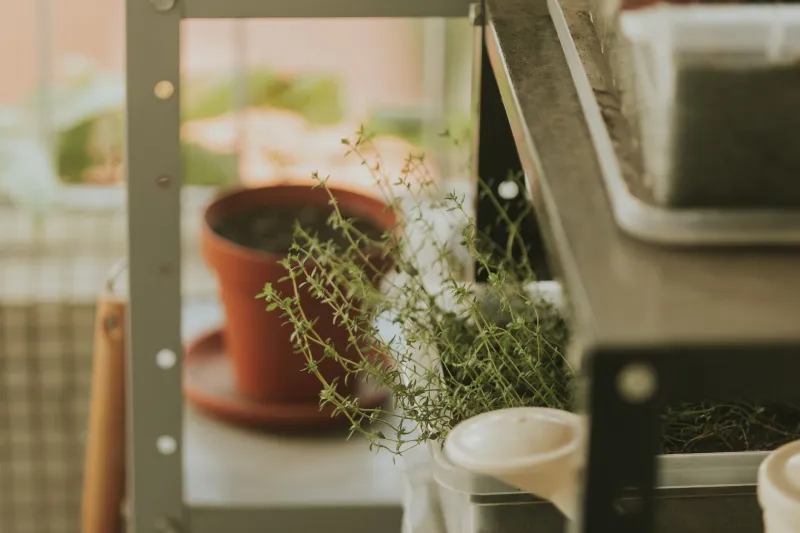
On my windowsill, there is a pothos that looks like it has been through a divorce, a move, and a minor spiritual crisis. Its vines are half bare. Two leaves are yellow in a way that suggests resignation. The soil pulls away from the edge of the pot like a cake left out overnight. And still, every few weeks, a new leaf unfurls — small, glossy, absurdly optimistic.
I have forgotten to water this plant for longer than I want to admit. I have apologized to it. I have moved it closer to the light, then farther away, then back again, as if rearranging furniture might fix something neither of us can name. I have not thrown it out. That feels important.
The Drama of the Almost-Dead
We tend to treat houseplants as morality plays. A thriving fern means you have your life together. A crispy succulent means you do not. Somewhere along the way, care became a report card, and every drooping leaf became a small indictment of your character.
But the plant is not grading you. It is not disappointed. It is not keeping a spreadsheet of your failures. It is just doing what living things do: holding on, letting go, trying again from whatever node is still viable.
That is the first thing the half-dead pothos taught me. Aliveness is not a performance. It is not a straight line of good habits and perfect watering schedules. It is a stubborn, unglamorous refusal to fully quit — even when the soil is dry and the light is thin and no one has paid attention in weeks.
What Neglect Actually Leaves Behind
Here is what I used to believe: neglect erases things. You forget to water the plant, the plant dies, the story ends. Clean and simple.
Here is what I have learned instead: neglect leaves nodes.
A node is the small bump on a stem where a leaf once was — and where another can still come from. It looks like nothing. It looks like the end of the story. But it is not. It is a waiting room for aliveness.
I think about the parts of myself like that. The friendships I let go quiet. The creative practice I abandoned for a season. The version of me who used to run in the mornings, or write in the evenings, or pray without irony. I used to think those parts were dead. Now I wonder if they are just nodes — dormant, not deleted.
The plant does not ask me to be ashamed of the bare stretches. It does not demand that I make up for lost time. It simply keeps a little green going, and waits to see what I will do with the next five minutes.
A Five-Minute Watering Ritual for the Parts That Refuse to Quit
This is not a productivity hack. It is not a habit stack. It is a small ceremony for stubborn aliveness — yours and the plant's.
1. Fill a glass with room-temperature water. Stand at the sink. Let the water run over your wrists for a moment. This is not a metaphor yet. It is just water. But notice it. Notice the temperature. Notice your hands doing something ordinary and kind.
2. Bring the glass to the plant. Set it down. Put your hand flat on the soil. Notice whether it is dry, damp, or somewhere in between. Do not fix it yet. Just notice. The soil is not a problem to solve. It is a report from the ground.
3. Name three things that are still alive in you. Say them aloud or not. Not achievements. Not goals. The stubborn stuff: the part that got out of bed, the part that answered the text, the part that still wants to see what happens next. Name them without making them impressive.
4. Water slowly. Not all at once. Let it soak in. Watch the soil darken. This is the part where you practice not rushing. The plant has waited this long. It can wait another thirty seconds while you pour with attention.
5. Leave the glass by the pot. Do not stand there waiting for a thank-you. The plant will not give one. That is the whole point. You are not watering it for applause. You are watering it because it is still here, and so are you.
The Plant Is Not Asking You to Be Better
When I finish this ritual, I do not feel virtuous. I feel a little foolish, standing in my kitchen with a glass and a half-dead plant, naming the parts of me that refuse to quit. But foolish is not the worst thing to feel. Foolish is what sincerity sometimes feels like from the outside.
The pothos is not asking me to be better. It is asking me to keep showing up. Not perfectly. Not even reliably. Just often enough that the soil remembers what water is.
There is a green thing by the window that refuses to die. Maybe you have one too. Maybe it is not a plant. Maybe it is a habit, a hope, a small flicker of faith you keep forgetting to tend. Whatever it is, it is not a report card. It is a node. It is a waiting room. It is a stubborn, unglamorous yes.
Water it. Then go live your life. It will still be there when you get back — and so, probably, will you.