Every Bottle Holds a Former Self: Clearing the Small Shrine Behind the Mirror
The Cabinet We Never Open on Purpose
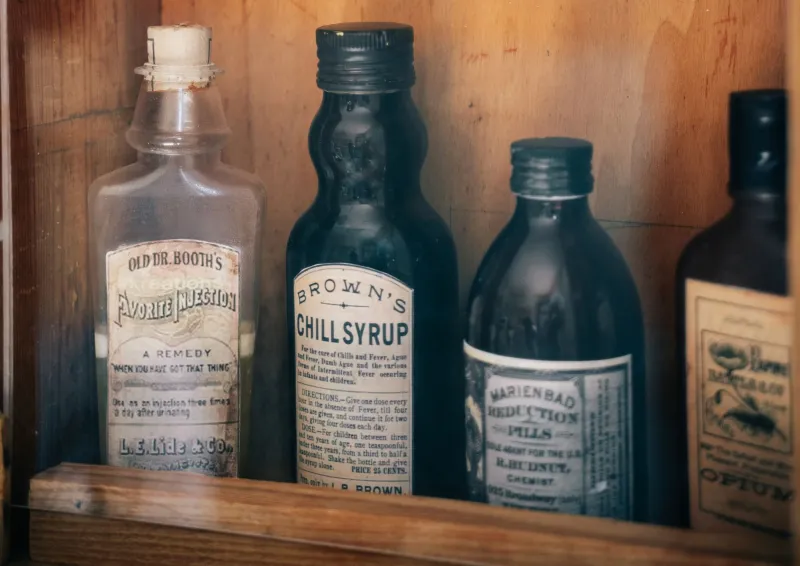
Nobody tours guests through the medicine cabinet. It's the most private room in the house — more honest than the junk drawer, more revealing than the closet. Open it slowly sometime and notice what's actually there: the antibiotic course from a sinus infection three winters ago, the cough drops fused to their wrapper, the antidepressant you weaned off two years ago but never quite removed, the essential oil someone gave you that you were never sure how to feel about.
We tend to think of the medicine cabinet as storage. But spend a quiet evening with it and you'll recognize something else entirely. It's an archive. Each bottle is a dated record of a version of you who was in pain and trying to be well. The sleep aid from the year of the hard job. The antacid from the season you couldn't stop worrying. The muscle rub from the month your body finally said enough.
A graveyard, yes — but also a kind of shrine. And shrines, unlike graveyards, can be tended.
Why We Keep What No Longer Serves
There's a practical answer to this: we forget, we're busy, we don't want to waste money. But there's a subtler current underneath. Keeping a half-used remedy is a way of keeping the exit ramp. As long as the bottle is there, part of us stays braced for the return of whatever it treated.
Ask yourself honestly: does the expired melatonin comfort you, or does it quietly remind you of the insomnia? Does the leftover prescription represent preparedness, or a held breath?
In many mystical traditions, the physical and the emotional are not separate ledgers. The Taoist kitchen, the Jewish practice of bedikat chametz — the candlelit search for leaven before Passover — the annual Buddhist deep-cleaning of the temple: all of them understand that clearing a physical space loosens something in the inner one. The medicine cabinet is simply a small, potent place to practice this. It's dense with feeling precisely because it's small and ignored.
The Ritual: Sort, Thank, Release
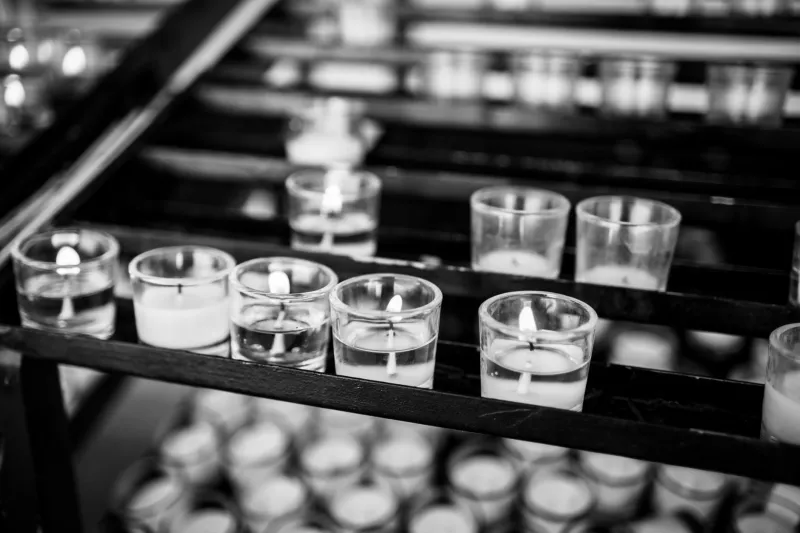
Set aside thirty unhurried minutes. Light a candle if that's your language; pour a cup of tea. Take everything out of the cabinet and lay it on a towel — the counter, the kitchen table, wherever there's room. Seeing it all at once matters. This is the inventory of your healing.
1. Sort into three piles. Still working (current medications, unexpired things you genuinely use), finished (things that did their job), and expired or abandoned (nothing but weight). Be truthful with yourself in that third pile. If you haven't touched it in a year, it belongs there.
2. Hold each item from the finished and expired piles. This is the part that sounds strange and works anyway. Pick up the bottle, the tube, the box. Say something — out loud if you're alone, silently if you're not. Simple is fine: You helped me get through that winter. Thank you. Or: I don't need to keep waiting for this anymore. You're not being superstitious. You're giving your mind a clear sentence to attach to the act of letting go, the way a bookmark marks a page.
3. Release properly. Here the mystical and the practical hold hands, and they must. Old medications are not trash and not always toilet material. The safest route in the US is a drug take-back program: many pharmacies (Walgreens, CVS, and most independents) have take-back kiosks, and the DEA hosts National Prescription Drug Take Back Days twice a year, usually in April and October. If no option is nearby, the FDA's guidance is to mix most pills with something unpalatable — used coffee grounds or cat litter — seal them in a bag, and toss them. A few specific drugs are still safe to flush; check the FDA's flush list. Remove or black out personal information on labels before anything goes in the bin.
Think of the take-back kiosk as the ritual's final gate. The pharmacy is where these things once arrived to help you; it's fitting that they leave through the same door.
4. Wipe the shelf. Warm water, a clean cloth. Some people like to add a drop of something fragrant — lemon, eucalyptus. When you return the keepers, arrange them with a little care rather than cramming them in. You're not organizing; you're consecrating.
What You May Notice Afterward
People report odd, small things after this ritual. They open the cabinet days later and feel lighter, the way a room feels after a window's been opened. Some notice they've stopped dreading a certain memory, because the object anchoring it is gone. Others find themselves sleeping a little more soundly — though I'd caution against promising that to yourself in advance. Rituals are not transactions.
What's more reliable is this: the cabinet stops being a graveyard and becomes a shelf again. A small, tended place holding only what's alive and needed. And once you've practiced the movement there — sort, thank, release — you'll start recognizing it everywhere. The glovebox. The inbox. The friendship you've been maintaining out of habit rather than love.
The medicine cabinet is where most of us keep the evidence that we've always been trying to heal. That impulse deserves honor, not hoarding. Clear the shelf. Keep the lesson. Let the bottles go home.