The Other Hand Knows Things: A Ten-Minute Practice for the Voice You Keep Interrupting
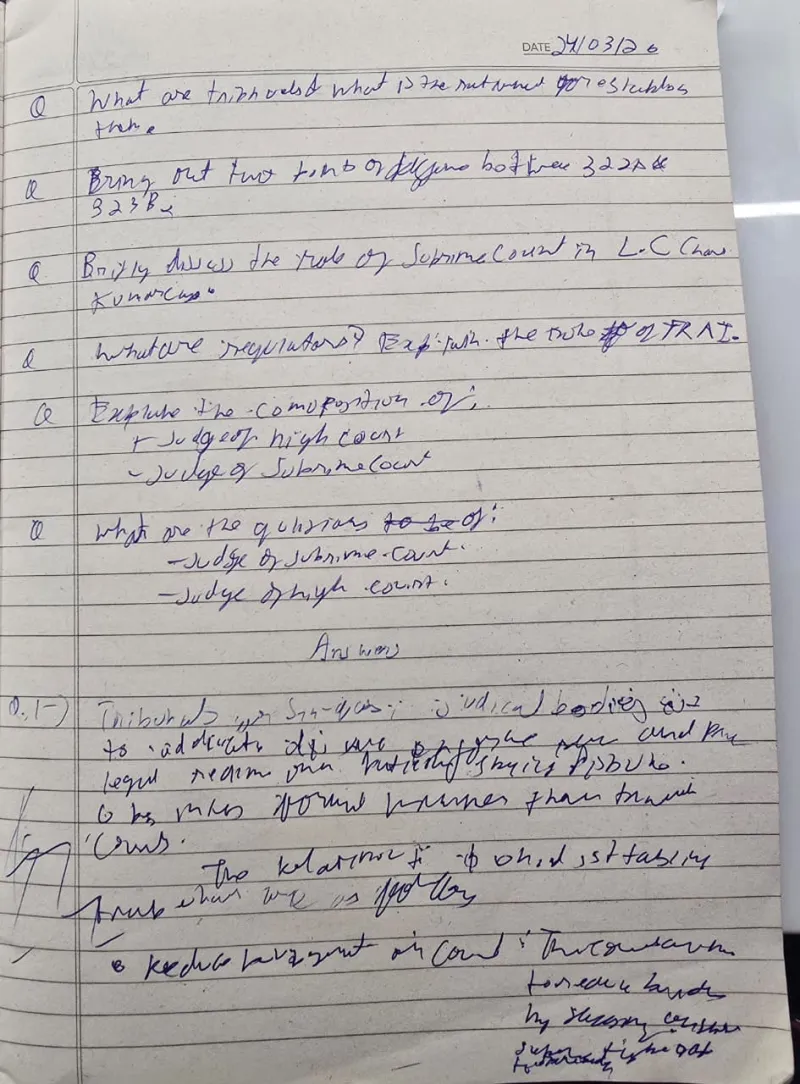
Photo: Sarim Wani, CC BY-SA 4.0, via Wikimedia Commons
There's a particular kind of silence that lives in the hand you don't write with. Not an empty silence—more like a room where someone is sitting very still, waiting to be noticed. Most of us never go in there. We're too busy with the hand that knows how to sign checks, type passwords, and cross things off lists.
But give that other hand a pen for ten minutes, and something shifts. I'm not going to promise you a thunderclap. Usually it's smaller than that—a sentence that doesn't sound like you, or a sentence that sounds exactly like you at fourteen. Either way, it's worth meeting.
This is a beginner's guide to non-dominant handwriting as a contemplative practice. It's not journaling in the way you probably know it. It's closer to opening a door in your own house that you've walked past a thousand times.
Why the Wrong Hand Slips Past the Editor
When your right hand (or left, if that's your usual) writes, it's working with decades of muscle memory. It knows how to make the letters fast enough to keep up with your thoughts. That speed is useful, but it also means your inner editor rides along the whole time—correcting, smoothing, deciding what's appropriate before the ink even dries.
The non-dominant hand has no such reflexes. It writes slowly, clumsily, with the careful concentration of a kid learning cursive. And that slowness is the whole point. Your thoughts can't run ahead of your hand. The editor can't keep up. What gets onto the page tends to be rawer, more plainspoken, occasionally a little strange.
Some traditions would call this accessing the subconscious. Others might frame it as dialoguing with the inner child, or simply getting out of your own way. I'm not here to tell you which vocabulary to use. I'll just say this: the hand that doesn't know how to be impressive has less reason to perform.
Setting Up a Ten-Minute Session
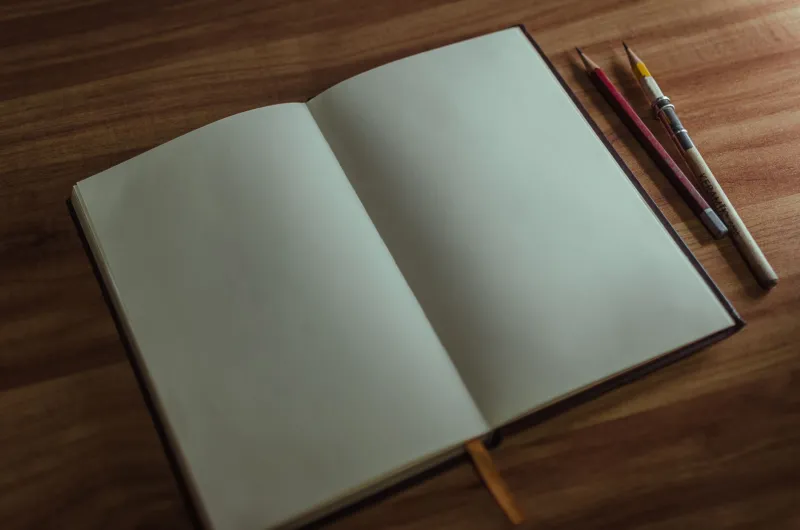
You don't need much. A notebook that isn't precious—a cheap legal pad or a spiral from the drugstore is perfect. A pen that flows easily, because the wrong hand has enough working against it already. Ten minutes, ideally at a time when you're not about to rush out the door. Early morning before the house wakes up, or late evening when the day has loosened its grip.
Here's the setup I use, and you're welcome to adapt it:
- Hold the pen in your non-dominant hand and just let it rest there for a few breaths. Don't write yet. Notice how odd it feels. That oddness is the threshold.
- Write a question with your dominant hand. Something simple and honest. What have I been not saying? or What do you want me to know? Keep it to one line.
- Switch hands and answer. Don't compose the answer in your head first. Let the pen start moving and see what happens. If you catch yourself planning the next word, stop and start again.
- Keep going for ten minutes. Write whatever comes, even if it's I don't know what to write repeated. Especially if it's that. The repetition wears a groove that something else can slide into.
Set a timer if it helps. Silence your phone. Light a candle if that's your thing—it doesn't have to be, but a small ritual cue helps the body understand that this is different from a to-do list.
What Comes Up, and What to Do With It
The first session is often awkward. The handwriting is childish. The sentences are short. You might write something embarrassingly earnest, like I'm tired or I miss the way things used to be, and then feel a hot flush of self-consciousness.
Stay with it. The self-consciousness is just the editor banging on the door. You don't have to let it in.
Sometimes the writing gets emotional. Not always—this isn't a guarantee, and you shouldn't force it. But if tears show up, or a sudden wave of anger, or a tenderness you didn't expect, that's not a sign you're doing it wrong. It's a sign something was waiting. Put the pen down, breathe, and let it pass through. You can always come back tomorrow.
Other times, nothing dramatic happens at all. You write ten minutes of mild complaints and close the notebook feeling vaguely silly. That's fine too. The practice isn't a vending machine. Some days the quieter voice just wants to say it's hungry and would like a nap.
When the Words Feel Ridiculous
They will, sometimes. Non-dominant handwriting looks like a second-grader's homework, and the content can feel equally unpolished. This is where most people quit—not because the practice isn't working, but because it isn't flattering.
Try this: keep a separate page for the editor's commentary. When you catch a thought like this is stupid or who do you think you are, jot it down in your normal hand, on the margin. Then return to the slow hand. You're not suppressing the critic. You're just giving it a chair by the window while the real conversation happens at the table.
Over time, something interesting occurs. The margins fill up with fewer protests. The slow hand gets a little faster, a little more confident. And one evening you'll read back through the pages and find a sentence you don't remember writing—a sentence that answers a question you didn't know you were asking.
A Small Closing Ritual
End each session the same way, so the body learns the shape of it. Put the pen down. Close the notebook. Rest both hands flat on the cover for one breath. Say something quiet and inward—thank you works, or that's enough for now. Then get up and make tea, or take out the recycling, or do whatever ordinary thing comes next.
The point is not to become a different person. The point is to stop leaving parts of yourself in a room you never visit. Your other hand already knows the way there. It's been waiting for you to ask.